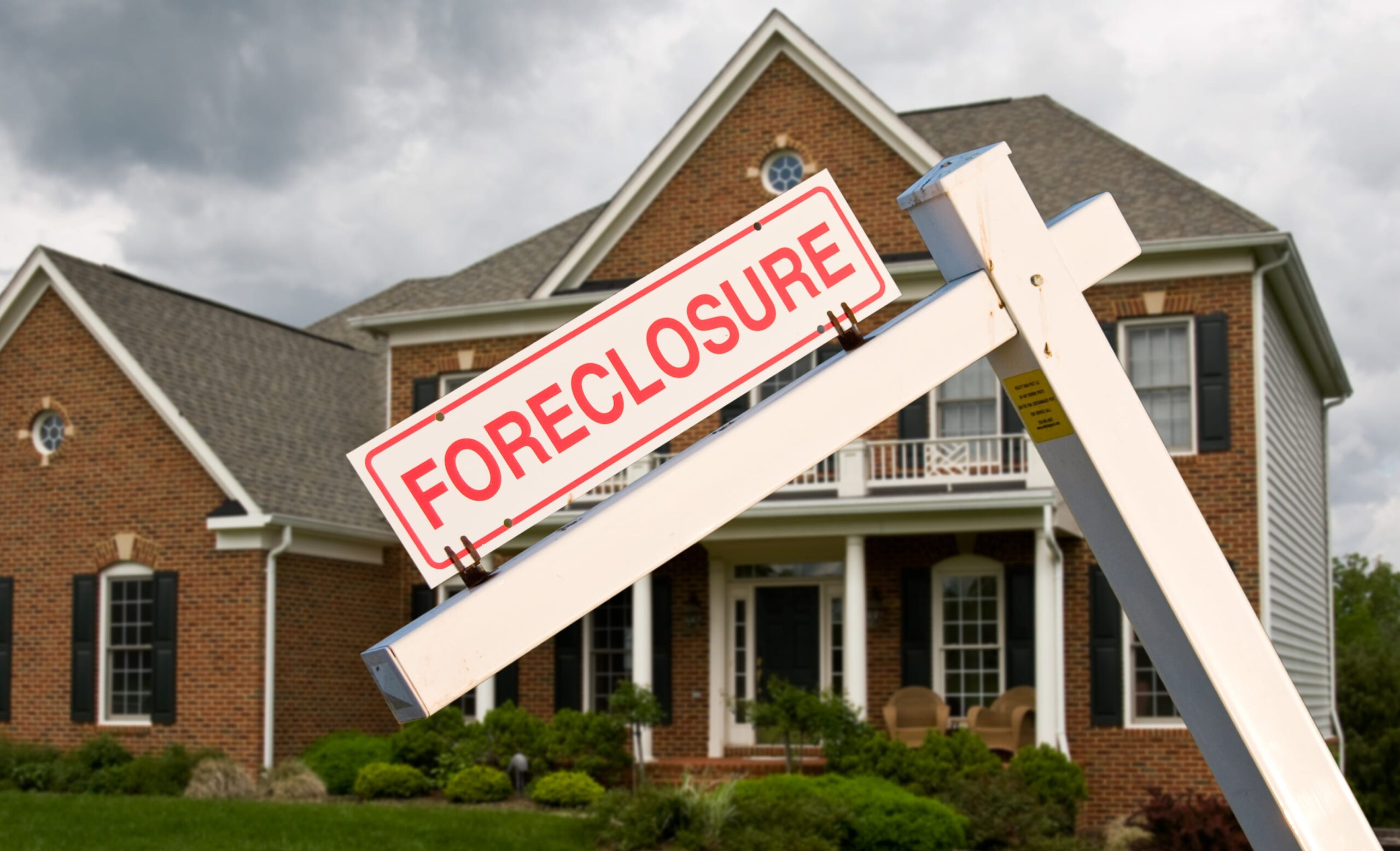
Zombie home foreclosures increased across much of the United States during the second quarter of 2026, according to new data from real estate analytics company ATTOM.
ATTOM said zombie foreclosures rose in 38 states and Washington, D.C. These properties are homes abandoned by owners before the foreclosure process is completed.
The company reported that 245,376 residential properties were in foreclosure during the second quarter. Of those, 8,312 properties, or 3.4 percent, were considered zombie foreclosures. That was slightly higher than the 3.3 percent rate recorded in the first quarter.
Georgia posted the largest quarterly increase among states with at least 100 zombie homes. The number of such properties there jumped 98 percent from the previous quarter.
North Carolina followed with a 67.2 percent increase, while Indiana rose 42 percent. Iowa saw a 35.5 percent increase, and South Carolina climbed 15.4 percent.
Only two states with at least 50 zombie homes saw declines in the second quarter. Washington recorded a 13.1 percent decrease, while New York saw a 2.2 percent drop.
A zombie foreclosure happens when homeowners leave a property after receiving a foreclosure notice but before legally losing ownership of the home. Until foreclosure proceedings are finalized, the owner remains responsible for the property and its related costs.
ATTOM also examined metropolitan areas with at least 100,000 residential properties and at least 100 homes in foreclosure.
Cedar Rapids, Iowa, had the highest share of zombie properties at 13.2 percent. Wichita, Kansas, followed at 12.9 percent. Youngstown, Ohio, recorded 11.4 percent, while Cleveland and Akron, Ohio, both topped 10 percent.
The report found that nearly 1.4 million homes across the country were vacant during the second quarter. That represented about 1.3 percent of all U.S. residential properties.
Rob Barber, CEO of ATTOM, said the rise in zombie foreclosures may indicate the housing market is returning to more normal foreclosure activity levels.
“At the same time, overall vacancy rates remain relatively steady nationwide, while zombie foreclosures still represent only a small share of homes in the foreclosure process,” Barber said.
According to Rocket Mortgage, owners of zombie foreclosure properties can still face financial obligations even after abandoning the home. These may include property taxes, homeowners association fees, maintenance costs, and other bills. Missing those payments can lead to lawsuits, tax liens, and credit score damage.
The report comes as mortgage delinquency rates rise in several states.
WalletHub said Vermont recorded the largest increase in delinquent mortgages between the fourth quarter of 2025 and the first quarter of 2026, with a 12.32 percent increase. Delaware followed at 6.92 percent, while Louisiana rose 4.4 percent.
Chip Lupo, an analyst at WalletHub, warned that delinquent mortgage debt can quickly hurt a homeowner’s credit score if payments remain unpaid for more than 30 days. He advised struggling borrowers to speak with lenders about possible temporary forbearance options.